


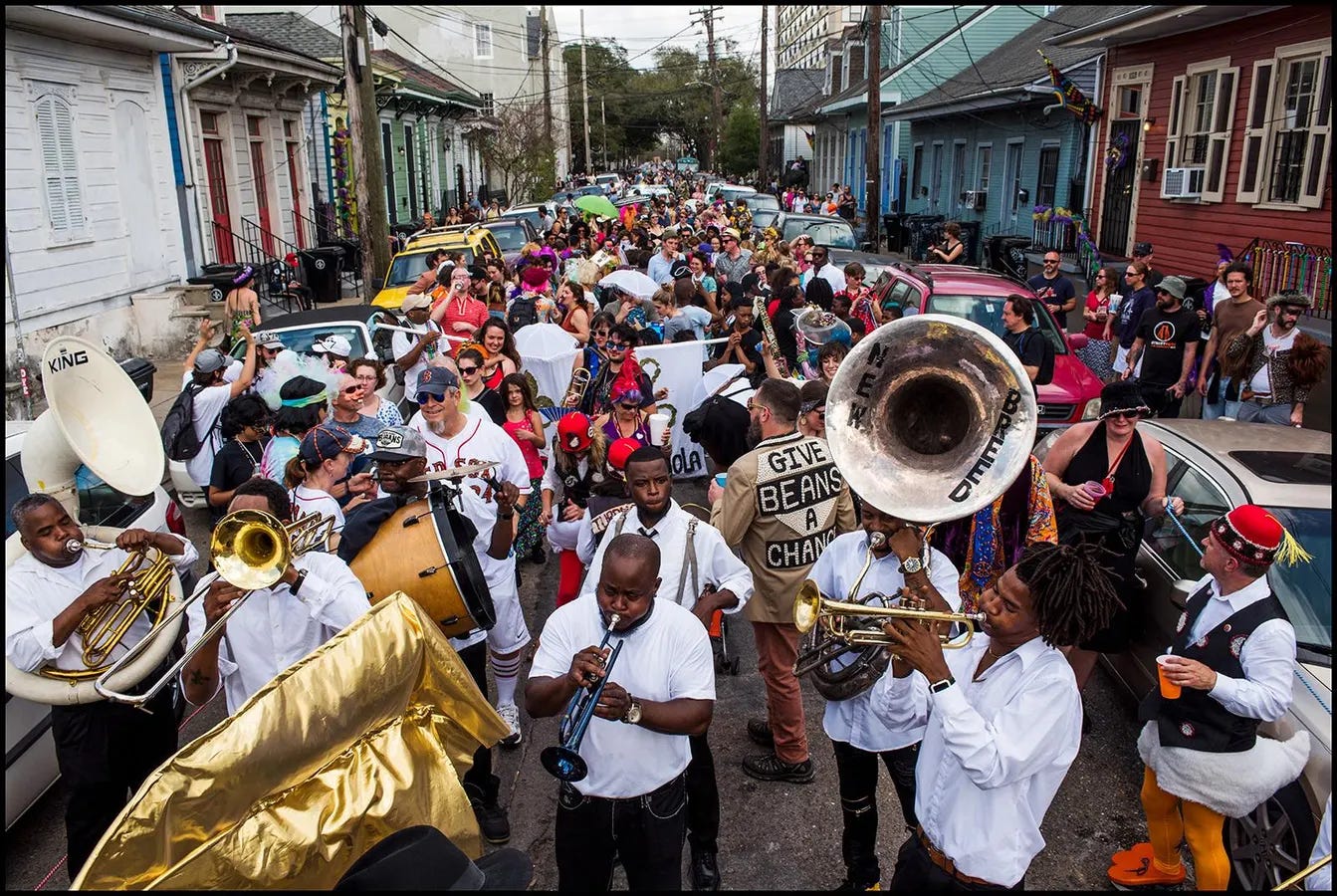
Mark Twain once wrote that true patriotism is loving your country all the time and your government when it deserves it. I agree. Patriotism isn’t the refusal to ask hard questions. It isn’t blind allegiance or ignorance of shortcomings. To me, patriotism is the recognition that we have what it takes to be great, and the belief that we must work together to create a better tomorrow.
Because the things that have made America great aren’t its economic policies or elections. I have always believed that it is the people, places, and cultures that have come together to weave a story of what it means to be American. It’s Yosemite and the desire to protect our national lands. It’s crawfish étouffee and mustard greens and the creation of new cuisine from the contributions of immigrants. It’s the unbelievable sacrifice across generations of Americans to protect this land around the world.
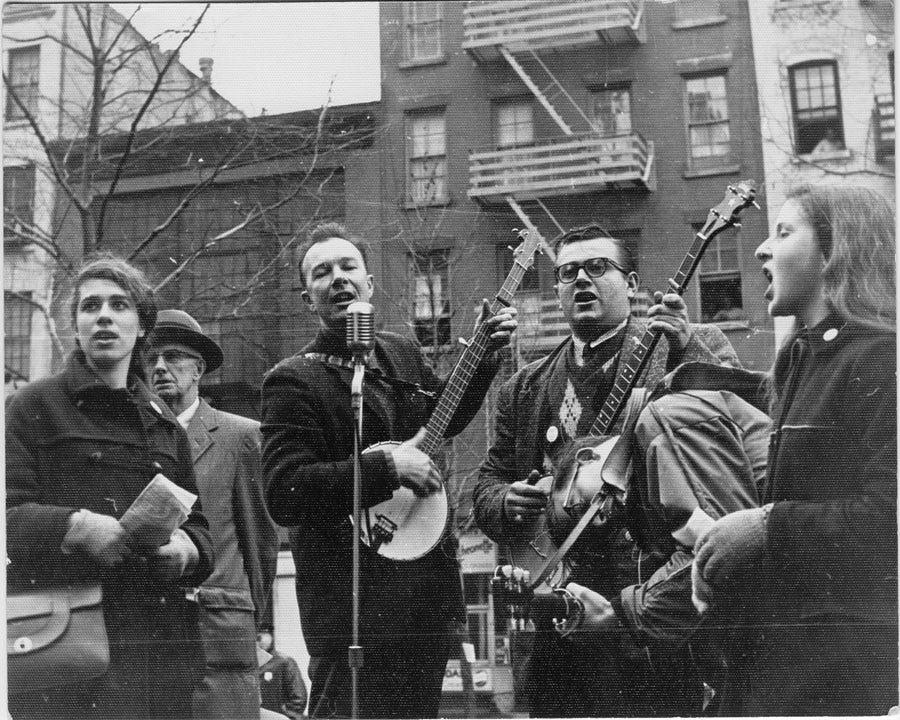
America’s music can tell us a lot about her rich history. This Independence Day, I’ll be spinning the records that tell the stories of America, like Springsteen’s tales of hollowed factory towns and Dylan’s anxious odes of social and civil progress. I’ll be spinning songs like James McMurtry’s ‘We Can’t Make it Here,’ in which he identified many of the problems plaguing the American working class 21 years ago— Problems which have still not been remedied nor hardly even addressed.
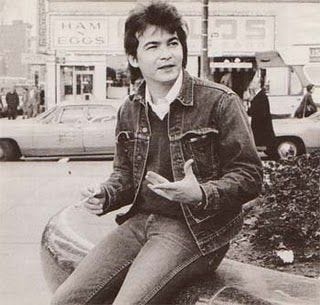
One song that I was drawn to put on this morning was ‘Your Flag Decal Won’t Get You into Heaven Anymore’ which John Prine wrote almost 60 years ago about the rise of faux patriotism. In it, Prine makes a simple case— it isn’t enough to plaster the flag on your tailgate to be a good citizen. In fact, sometimes blind patriotism can mask the truth about the state of the nation: “Well, I got my window shield so filledwith flags I couldn’t see.” He called out warhawks who pursued unjust killing in the name of American hegemony or some kind of Christian mission, singing “Now Jesus don’t like killin’, no matter what the reason’s for.” And, he made a heavy political argument with the humor and subtle sarcasm that made Prine one of the best poets of the last century. Songs like this are the soundtrack of the good American conscience.
More broadly, I’ll be celebrating the rich musical tradition of this great country. To me, the story of American music is the story of America itself. From Muscle Shoals to Laurel Canyon, America’s myriad sonic traditions have reflected and shaped its life and culture. Blues, gospel, soul, rock n’ roll and country have sprung from the landscapes. Arguably, they couldn’t have appeared anywhere else.
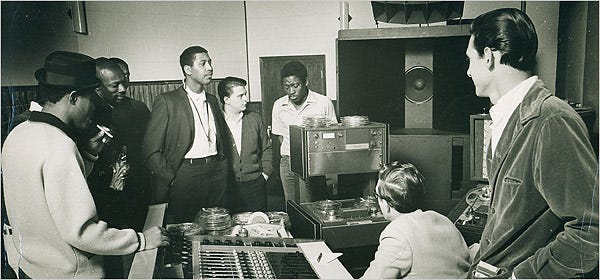
And, music has always occupied a special niche in the collective consciousness. Whether it was integrated recording sessions in the Jim Crow South at STAX or work songs being used to organize picket lines in the coalfields of West Virginia, song has always held a special place in the American story.
So, this Fourth of July, take a moment to appreciate Motown and FAME Studios, Sun Records and Chess, and all the artists that gave us an American Soundtrack. Watch a Second Line in New Orleans or a James Brown show. Listen to Blue Yodel #9 or Alan Jackson. Because the multicultural evolution of American music is the best way to understand — and to celebrate — this great country on her 250th birthday. In a few moments, I’ll be at a friend’s gig watching him play blues songs that came out half a century before he was born.